Tundra Abiotic Factors: How Nonliving Forces Shape Life in the Coldest Biome
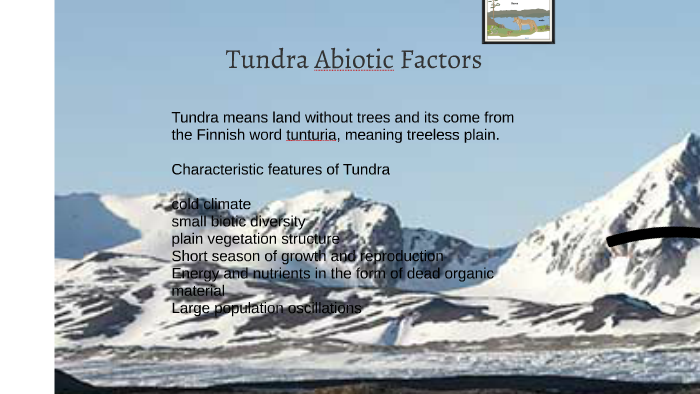
Introduction to the Tundra Environment
The tundra is one of the most fascinating biomes on our planet. It may look empty at first glance, yet it is full of hidden processes that shape life. Abiotic factors play the main role here. These nonliving elements control what can survive and how ecosystems function. Without them, the tundra would not exist in its current form.
Understanding Abiotic Factors in Simple Words
Abiotic factors include all the physical and chemical parts of an environment. These factors do not breathe or grow. However, they strongly influence living organisms. In the tundra, abiotic factors dominate the landscape. They decide the limits of life and create harsh conditions that only the toughest species can handle.
Location of the Tundra Biome
The tundra spreads across the northern parts of the world. You can find it in Alaska, Canada, Greenland, Russia, and Scandinavia. There is also alpine tundra on high mountains across the globe. Because of this wide distribution, tundra abiotic factors affect large areas of Earth.
Extreme Cold Temperatures
Temperature is the most powerful abiotic factor in the tundra. Winters remain long and bitterly cold. Temperatures often drop far below freezing for months. Even in summer, warmth stays limited. As a result, plants and animals must adapt to survive freezing conditions.
Short Growing Seasons
Due to cold temperatures, the tundra has a very short growing season. Summer lasts only a few weeks. During this time, plants rush to grow, flower, and produce seeds. This fast cycle happens because winter always returns quickly.
Permafrost and Frozen Ground
One of the most unique tundra abiotic factors is permafrost. This layer of soil stays frozen for years or even centuries. Only the top layer thaws in summer. Because roots cannot grow deep, trees cannot survive here. This frozen ground shapes the entire tundra ecosystem.
Impact of Permafrost on Soil
Permafrost limits water drainage. As ice melts on the surface, water pools form. These wetlands support mosses and grasses. At the same time, poor drainage prevents many plants from growing strong roots. Therefore, soil structure stays shallow and fragile.
Low Levels of Precipitation
The tundra receives very little precipitation. Most of it falls as snow rather than rain. Surprisingly, tundras are often called cold deserts. Even though ice covers the land, liquid water remains scarce for much of the year.
Snow as a Protective Layer
Snow may seem harsh, yet it protects the tundra. It insulates the ground and keeps plants from extreme cold. Animals also use snow as shelter. In this way, snow acts as a helpful abiotic factor despite its cold nature.
Limited Sunlight During Winter
Another major tundra abiotic factor is sunlight. During winter, the sun may not rise for weeks. This darkness limits photosynthesis. Plants go dormant while animals rely on stored energy. The lack of sunlight controls life rhythms across the tundra.
Long Summer Days and Midnight Sun
In contrast, summer brings almost constant daylight. The sun shines day and night for weeks. Plants use this nonstop light to grow quickly. This sudden abundance of sunlight balances the long dark winters.
Strong and Chilling Winds
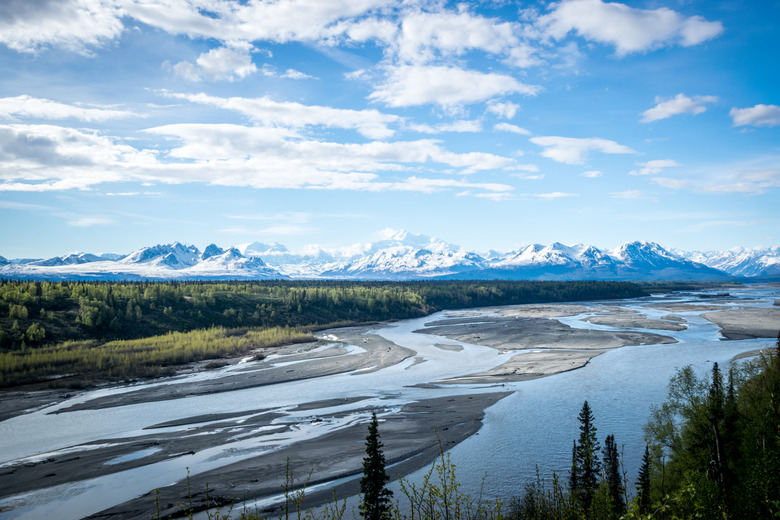
Wind shapes the tundra landscape. Strong winds blow across open plains with no trees to block them. These winds increase heat loss and make conditions feel colder. As a result, plants grow low to the ground to avoid damage.
Role of Wind in Plant Growth
Wind affects how plants develop. Tall plants struggle to survive. Instead, mosses and small shrubs dominate. Wind also spreads seeds across the tundra. Therefore, it helps plants colonize new areas despite harsh conditions.
Thin and Nutrient Poor Soil
Tundra soil lacks nutrients. Cold temperatures slow down decomposition. Dead plants and animals break down very slowly. As a result, nutrients remain locked in organic matter. This poor soil limits plant growth.
Soil Acidity in the Tundra
Many tundra soils are acidic. Mosses contribute to this acidity. Acidic soil makes it harder for plants to absorb nutrients. Only specially adapted plants can survive in such conditions.
Water Availability and Ice Melt
Water appears abundant during summer. Ice melts and forms pools and streams. However, this water cannot drain because of permafrost. As winter returns, water freezes again. This cycle controls plant and animal behavior.
Seasonal Flooding Effects
Seasonal flooding changes the landscape. It creates wetlands that support insects and birds. At the same time, flooding limits plant diversity. Only water tolerant species thrive in these areas.
Low Levels of Evaporation
Cold air reduces evaporation rates. Water stays on the surface longer. This helps plants access moisture. However, it also creates muddy conditions during summer. These conditions further shape the tundra ecosystem.
Atmospheric Pressure and Cold Air
Cold air is dense. This affects weather patterns in the tundra. High pressure systems often dominate. These systems bring clear skies and extreme cold. Therefore, atmospheric conditions remain stable but harsh.
Seasonal Climate Variations
Although temperatures stay low, seasons still matter. Winter brings darkness and cold. Summer brings light and brief warmth. These seasonal shifts drive biological activity. Every organism depends on timing for survival.
Role of Ice and Snow Cover
Ice and snow reflect sunlight. This reflection keeps temperatures low. It also slows warming trends. This feedback loop makes the tundra one of the coldest biomes on Earth.
Climate Change and Abiotic Factors
Climate change is altering tundra abiotic factors. Rising temperatures cause permafrost to melt. This releases greenhouse gases. As a result, global warming accelerates. The tundra plays a critical role in Earth’s climate system.
Thawing Permafrost Consequences
When permafrost melts, the ground becomes unstable. Buildings collapse and landscapes change. New plant species move in. This shift disrupts existing ecosystems and food chains.
Changes in Precipitation Patterns
Climate change also affects precipitation. Some tundra regions receive more rain. This changes soil moisture and plant growth. Increased rain may also speed up permafrost thawing.
Impact on Plant Life
Abiotic factors directly control tundra vegetation. Low temperatures and poor soil limit plant size. Mosses lichens and grasses dominate. These plants have shallow roots and grow close to the ground.
Plant Adaptations to Cold
Plants adapt in clever ways. Many have hairy leaves to trap heat. Others grow in clumps to reduce wind exposure. These adaptations help plants survive extreme abiotic conditions.
Effect on Animal Survival
Animals also depend on abiotic factors. Cold temperatures require thick fur or fat layers. Seasonal light changes affect migration and breeding. Every animal follows the rhythm set by the tundra environment.
Migration Driven by Abiotic Conditions
Many birds migrate to the tundra during summer. They take advantage of long daylight and abundant insects. When winter returns, they leave again. Abiotic factors guide these movements.
Human Interaction with Tundra Abiotic Factors
Humans face challenges when living in the tundra. Frozen ground makes construction difficult. Extreme cold affects daily life. People must adapt just like wildlife.
Traditional Knowledge and Adaptation
Indigenous communities understand tundra abiotic factors deeply. They design clothing and shelters suited for cold winds and snow. Their knowledge shows how humans can live in balance with nature.
Importance of the Tundra Biome
The tundra may seem empty, yet it holds great importance. It stores large amounts of carbon. It influences global climate. Abiotic factors maintain this delicate balance.
Tundra as a Climate Regulator
Because of its ice and snow, the tundra reflects sunlight. This helps cool the planet. Changes in tundra abiotic factors can affect weather patterns worldwide.
Threats to Tundra Stability
Industrial activity and climate change threaten tundra stability. Disturbing permafrost damages ecosystems. Protecting the tundra means respecting its abiotic limits.
Conservation Efforts and Awareness
Scientists study tundra abiotic factors to predict future changes. Conservation efforts aim to reduce damage. Awareness helps people understand why this cold biome matters.
Why Abiotic Factors Matter So Much
Without abiotic factors, ecosystems would not function. In the tundra, these factors rule everything. They set strict limits and shape life in remarkable ways.
Final Thoughts on Tundra Abiotic Factors
So next time you think about frozen landscapes, remember the hidden forces at work. Temperature soil wind and sunlight all play a role. Together, these abiotic factors create the unique tundra world we admire today.
Conclusion
The tundra is a powerful example of nature’s balance. Abiotic factors define its character and control survival. Despite harsh conditions, life finds a way. Understanding tundra abiotic factors helps us appreciate Earth’s resilience and reminds us why protecting such biomes is so important.














Post Comment