Farewell to Life on Earth: Reflecting on Humanity, Legacy, and the Future Beyond Our Planet
Introduction: What Does “Farewell to Life on Earth” Really Mean?
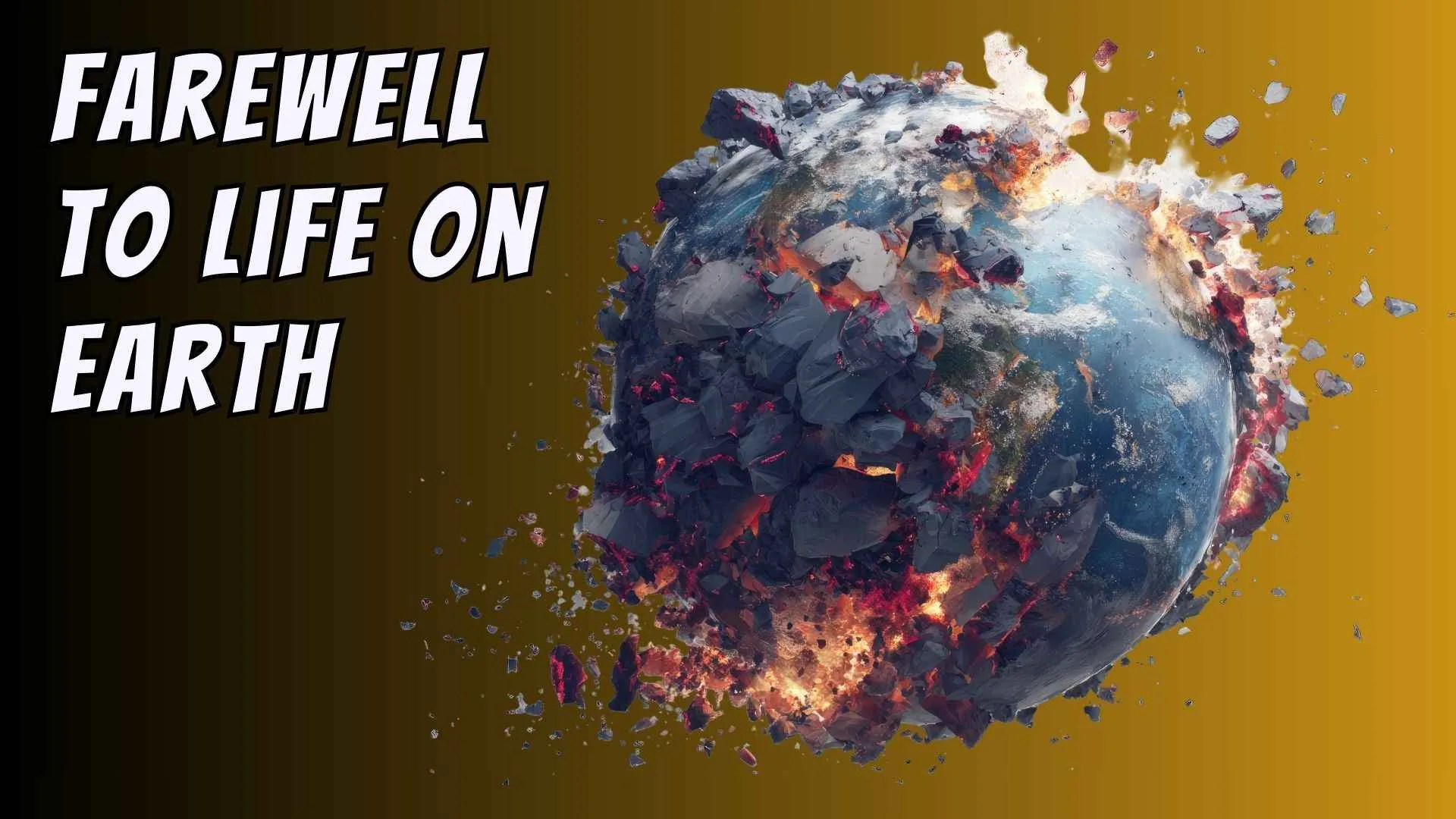
The phrase “farewell to life on Earth” sounds dramatic, emotional, and even a little mysterious. At first glance, it might feel like something out of a science-fiction movie or a philosophical novel. However, when we take a deeper look, the concept actually opens the door to powerful reflections about humanity, our planet, and the possibility of life beyond Earth. It invites us to ask meaningful questions about our existence and the future we are building.
For centuries, humans have wondered about the limits of life on Earth. Our planet has supported civilizations, ecosystems, and countless generations of people. Yet, history shows that nothing in nature lasts forever. The idea of saying farewell to life on Earth does not necessarily mean immediate destruction or extinction. Instead, it can represent transformation, evolution, or humanity moving toward a new chapter somewhere else in the universe.
In modern times, this idea has become more relevant than ever. Advances in technology, space exploration, and environmental awareness have pushed humanity to think beyond the boundaries of Earth. Scientists, philosophers, and thinkers are increasingly discussing how our species might survive in the long term—whether by protecting our home planet or eventually expanding beyond it.
Ultimately, “farewell to life on Earth” is not just about endings. It is also about beginnings. It challenges us to reflect on our responsibilities, our achievements, and the legacy we want to leave behind for future generations.
The Fragile Beauty of Life on Earth
Earth is the only known planet that supports life in the vast universe. From towering forests and deep oceans to complex ecosystems and diverse species, our planet is an extraordinary environment where life thrives in countless forms. This delicate balance is the result of billions of years of natural evolution, making Earth incredibly special.
Every living organism—from the smallest microorganisms to the largest mammals—plays a role in maintaining the planet’s ecological harmony. The interconnectedness of life is one of the most fascinating aspects of Earth. Plants produce oxygen, animals contribute to food chains, and natural cycles like water and carbon help sustain the entire biosphere.
Despite its beauty and resilience, life on Earth is fragile. Natural disasters, climate shifts, and human activities constantly affect the planet’s stability. Over time, these factors can reshape ecosystems and alter the conditions necessary for life to flourish. This vulnerability reminds us that Earth’s ability to support life is precious and must be protected.
Understanding this fragility encourages a deeper appreciation for our planet. When people talk about a potential farewell to life on Earth, they are often acknowledging the importance of preserving the delicate systems that make our world habitable.
Humanity’s Impact on the Planet
Human civilization has achieved remarkable progress over the past few centuries. Technological innovation, industrial development, and scientific discoveries have dramatically improved living standards and expanded our knowledge of the world. However, these advancements have also come with consequences for the environment.
Industrialization, deforestation, and pollution have placed enormous pressure on Earth’s ecosystems. The rapid growth of cities and industries has increased carbon emissions, contributing to climate change and environmental degradation. Oceans are experiencing rising temperatures, forests are disappearing, and many species are facing extinction.
These changes highlight the profound influence humans have on the planet. Our actions shape the environment in ways that future generations will inherit. In this context, the idea of a farewell to life on Earth sometimes reflects concerns about whether humanity can maintain a sustainable relationship with nature.
Yet, there is also reason for optimism. Around the world, scientists, activists, and governments are working together to address environmental challenges. Renewable energy, conservation programs, and global awareness campaigns demonstrate that humanity has the ability to change course and protect the planet.
The Possibility of Life Beyond Earth
For thousands of years, humans have looked up at the night sky and wondered whether life exists beyond our planet. Today, this curiosity has transformed into a serious scientific pursuit. Astronomers are discovering new planets, studying distant galaxies, and searching for signs of life in the universe.
The idea of leaving Earth one day—whether for exploration or survival—is no longer purely fictional. Space agencies and private companies are developing technologies that could make long-distance space travel possible. Missions to other planets are already underway, and the search for habitable environments continues.
Exploring other worlds raises fascinating questions about the future of humanity. Could humans eventually live on another planet? Would we adapt to new environments, or would we bring Earth-like ecosystems with us? These possibilities suggest that a farewell to life on Earth might someday represent expansion rather than loss.
At the same time, scientists emphasize that Earth remains our best and most reliable home. While space exploration is exciting, the conditions necessary for life are incredibly rare and difficult to replicate. For now, protecting our planet remains the most practical way to ensure humanity’s survival.
Philosophical Reflections on Leaving Earth
The concept of saying goodbye to life on Earth is not only scientific—it is also deeply philosophical. Throughout history, thinkers have explored what it means to exist, to belong, and to move beyond familiar boundaries.
If humans were to leave Earth someday, it would raise profound questions about identity and connection. Earth is more than just a planet; it is the birthplace of humanity, the setting of our cultures, histories, and shared experiences. Leaving it behind would mean redefining what “home” truly means.
Philosophers often view this idea as part of humanity’s natural evolution. Just as early humans migrated across continents in search of new opportunities, future generations might explore the cosmos. From this perspective, a farewell to life on Earth could symbolize progress and curiosity rather than abandonment.
However, such a transition would also carry emotional weight. People form deep bonds with their environment, traditions, and memories. The thought of leaving Earth permanently would likely inspire both excitement and nostalgia for the world that shaped us.
The Role of Technology in Humanity’s Future
Technology will play a central role in determining whether humanity ever says farewell to life on Earth. Over the past century, innovations in science and engineering have expanded our capabilities in ways that previous generations could only imagine.
Advances in renewable energy, artificial intelligence, biotechnology, and space engineering are transforming the possibilities for human survival. Technologies that once seemed futuristic—such as reusable rockets, advanced life-support systems, and automated exploration—are becoming increasingly realistic.
In the context of space exploration, these developments could eventually enable humans to live in environments beyond Earth. Scientists are studying how to grow food in space, recycle resources efficiently, and build habitats capable of protecting people from harsh cosmic conditions.
Even if humanity never permanently leaves Earth, technological progress will still shape our future. The same innovations that could support life on other planets can also help us protect and sustain life here. In many ways, technology represents both our greatest challenge and our greatest opportunity.
Preserving Earth While Exploring the Universe
One of the most important lessons in discussions about leaving Earth is that exploration should not come at the expense of preservation. While the idea of expanding into space is inspiring, it does not replace our responsibility to care for our home planet.
Earth’s ecosystems provide everything humanity needs to survive—clean air, fresh water, fertile soil, and stable climates. Protecting these resources is essential for maintaining life in the long term. Environmental conservation, sustainable development, and global cooperation are key components of this effort.
At the same time, space exploration can contribute to these goals. Satellites help scientists monitor climate change, track deforestation, and study environmental patterns. Space research often leads to technologies that improve life on Earth, from medical advancements to energy solutions.
Balancing exploration and preservation is one of the defining challenges of the modern era. If humanity ever does say farewell to life on Earth, it should be with gratitude and respect for the planet that nurtured our existence.
Humanity’s Legacy and the Meaning of Survival
When people imagine a distant future where humans might leave Earth, they often wonder what legacy we will carry with us. Our cultures, languages, art, and knowledge are part of what makes humanity unique. Preserving these elements would be just as important as ensuring physical survival.
The idea of legacy extends beyond human achievements. It also includes the natural world that has evolved alongside us. Many scientists believe that protecting biodiversity and preserving Earth’s ecosystems should remain a priority even if humanity expands into space.
In this sense, a farewell to life on Earth could represent a moment of reflection. It would encourage us to consider what truly matters and what we want to bring forward into the future. Survival is not just about living longer—it is about preserving meaning, values, and the lessons learned from our past.
Ultimately, humanity’s legacy will be defined by the choices we make today. Whether we remain on Earth or explore distant worlds, the decisions we make about sustainability, cooperation, and knowledge will shape the story of our species.
Conclusion: A Farewell That May Never Come
The idea of saying farewell to life on Earth captures the imagination because it touches on deep human emotions and possibilities. It combines science, philosophy, and curiosity about the unknown future that lies ahead.
In reality, Earth remains the center of human existence and the most hospitable environment we know. Rather than preparing to abandon it, humanity is working harder than ever to protect and sustain it. Environmental awareness, technological innovation, and global collaboration offer hope that life on Earth will continue to thrive.
At the same time, exploring the universe reflects humanity’s natural desire to learn and expand our horizons. Space exploration may eventually lead us to new worlds and opportunities, but it will never erase the importance of the planet where our journey began.











Post Comment