Perez Hilton: The Rise, Reinvention, and Lasting Impact of a Pop Culture Provocateur
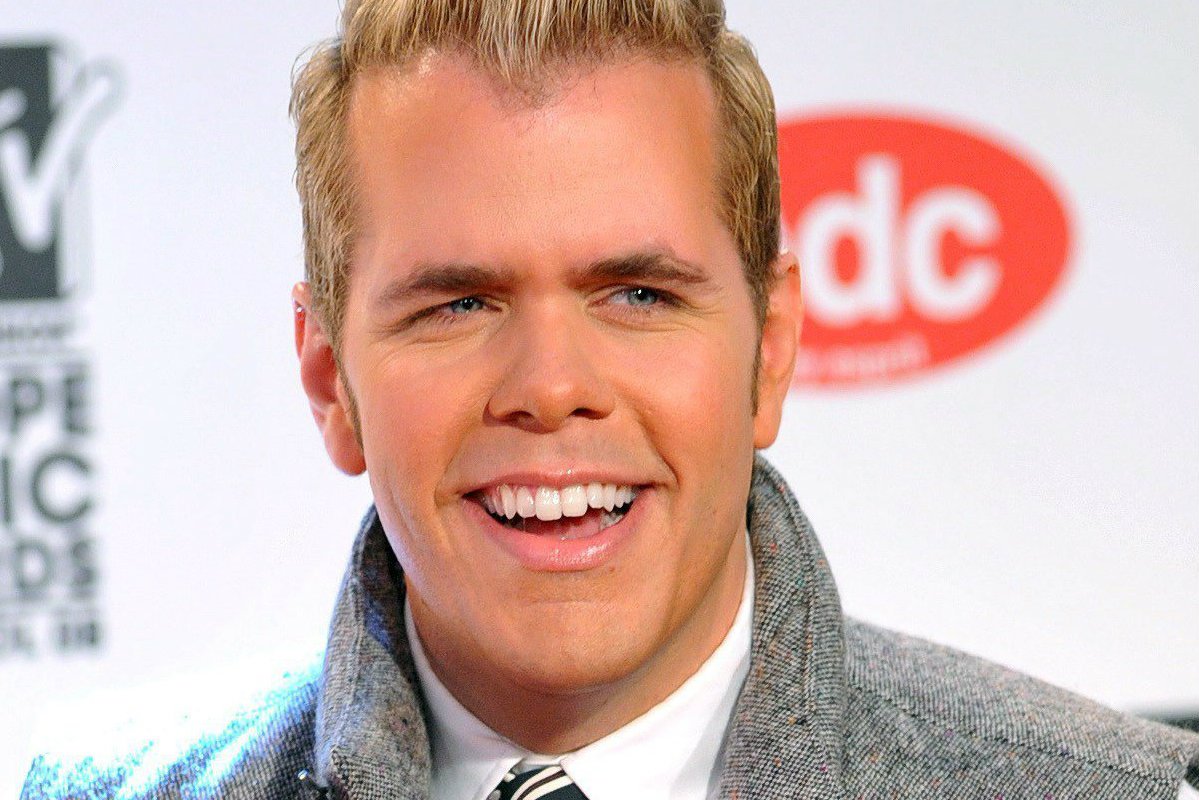
When people talk about the birth of modern celebrity gossip on the internet, one name inevitably comes up: Perez Hilton. Love him or criticize him, you cannot ignore the influence he had on digital media. Long before Instagram influencers, TikTok tea accounts, or YouTube commentary channels dominated pop culture discourse, Perez Hilton was reshaping how the world consumed celebrity news.
Over the years, he has gone from being a controversial gossip blogger to a more reflective media personality and entrepreneur. His journey is not just about scandal and snark; it is also about reinvention, resilience, and adapting to a constantly shifting media landscape. In this in-depth article, we will explore his early life, meteoric rise, controversies, career evolution, personal transformation, and enduring cultural footprint.
Early Life and Background: The Making of Perez Hilton
Perez Hilton was born as Mario Armando Lavandeira Jr. in Miami, Florida. Growing up in a Cuban-American household, he experienced a blend of cultural influences that would later shape his personality and public voice. From an early age, he had a strong fascination with pop culture, Hollywood, and entertainment.
He attended New York University, where he studied drama. At the time, his aspirations were not necessarily tied to gossip blogging. He wanted to work in the entertainment industry and be close to the spotlight. However, like many aspiring creatives, he faced obstacles in breaking into traditional media spaces.
Instead of giving up, he pivoted. In the early 2000s, when blogging platforms were still emerging, he saw an opportunity. What began as a small entertainment blog eventually transformed into one of the most talked-about celebrity gossip sites on the internet.
The Birth of a Gossip Empire
PerezHilton.com launched in 2004, during a period when online media was still finding its identity. Unlike polished entertainment magazines or corporate news outlets, his blog had a raw, almost rebellious energy. It felt personal, immediate, and unapologetically bold.
What set him apart was his distinctive style. He often scribbled comments directly onto paparazzi photos in bright, childlike handwriting. These annotations were snarky, sarcastic, and sometimes shockingly blunt. The aesthetic may have looked messy, but it was strategic. It made his site instantly recognizable.
As traffic surged, traditional media outlets began taking notice. Television shows referenced his posts, celebrities responded publicly to his critiques, and suddenly he was no longer just a blogger—he was a cultural force. He became synonymous with early internet gossip culture.
Controversy and Criticism: The Double-Edged Sword of Fame
Perez Hilton’s rise was not without backlash. His commentary often crossed lines that many felt were inappropriate or harmful. He was criticized for body shaming, outing celebrities, and using offensive language. In an era before social media accountability was widespread, his style felt unchecked and aggressive.
Celebrities such as Lady Gaga and Britney Spears were frequent subjects of his blog. While some stars appreciated the publicity, others openly expressed their frustration. At times, tensions escalated into public feuds that played out both online and in interviews.
As conversations around mental health, bullying, and digital responsibility evolved, so did public expectations. The once-entertaining snark began to feel harsh in a world that was becoming more conscious of online toxicity. Perez Hilton found himself facing mounting criticism, forcing him to reassess his approach.
Reinvention and Image Rehabilitation
Around the early 2010s, Perez Hilton began publicly acknowledging that some of his past behavior had been hurtful. This marked the beginning of a significant shift in his brand. He started adopting a more balanced tone, focusing less on tearing celebrities down and more on reporting news and offering commentary.
This reinvention was not immediate or universally accepted. Many critics questioned whether the change was genuine or simply a business decision. However, over time, his content style noticeably softened. He began advocating for kindness and discussing the importance of mental health.
He also diversified his career. Instead of relying solely on blogging, he ventured into podcasting, television appearances, and YouTube content. This broader presence allowed him to reshape his identity from gossip villain to seasoned pop culture commentator.
The Evolution of Celebrity Gossip in the Digital Age
To understand Perez Hilton’s legacy, it is essential to consider the broader context of media evolution. When he launched his blog, social media platforms like Twitter and Instagram did not exist in their current forms. Celebrities had limited ways to control their narratives.
Today, stars can communicate directly with fans. Publicists and branding teams carefully manage online images. In many ways, Perez Hilton thrived during a unique moment in media history—a time when blogs had immense power and fewer guardrails.
Ironically, many of the tactics he pioneered are now commonplace. Reaction videos, hot takes, meme culture, and rapid-fire celebrity commentary dominate digital platforms. While the tone may be more polished or politically correct, the foundation of modern pop culture commentary owes something to early gossip bloggers like him.
Business Acumen and Entrepreneurial Spirit
Beyond the drama and headlines, Perez Hilton demonstrated a sharp business instinct. He recognized early that digital traffic could be monetized through advertising, brand partnerships, and sponsored content. At a time when many traditional media companies underestimated the internet, he leaned into it fully.
He built a recognizable brand around his personality. His name became a trademark, synonymous with unfiltered celebrity coverage. This personal branding strategy later became a blueprint for influencers and online personalities.
Even when traffic fluctuated due to algorithm changes or competition from social media, he adapted. Podcasts, live appearances, and social media platforms became new revenue streams. His ability to pivot has been central to his longevity in a notoriously unstable industry.
Personal Life and Public Vulnerability
In recent years, Perez Hilton has opened up more about his personal life, particularly his journey into parenthood. Becoming a father marked a significant turning point in how he viewed both his career and his responsibilities.
He has spoken about wanting to model compassion and accountability for his children. This desire has influenced his public persona, encouraging a more thoughtful and measured tone in his commentary.
Parenthood also humanized him in the eyes of many critics. While his past actions remain part of his legacy, his willingness to evolve and reflect publicly has added complexity to his narrative.
Cultural Impact and Lasting Legacy
It is impossible to discuss early 2000s celebrity culture without mentioning Perez Hilton. He was part of a wave that democratized media, proving that a single individual with a laptop could rival established entertainment outlets.
His influence extended beyond gossip. He helped launch or amplify the careers of several artists by giving them early online exposure. In some cases, his blog introduced emerging talent to a massive audience before mainstream media caught on.
At the same time, his career serves as a cautionary tale about the consequences of unchecked commentary. The backlash he faced highlights how quickly public opinion can shift and how essential adaptability is in the digital era.

Lessons from Perez Hilton’s Career
There are several key lessons aspiring media personalities can draw from his journey:
First, authenticity—whether controversial or celebrated—can be powerful. His distinct voice set him apart in a crowded market. Even critics acknowledged that he had a unique style.
Second, adaptability is crucial. The internet changes rapidly. Those who fail to evolve risk becoming irrelevant. Perez Hilton’s ability to pivot from harsh gossip blogger to more nuanced commentator helped sustain his relevance.
Third, accountability matters. In today’s digital landscape, audiences expect transparency and growth. His public apologies and attempts at reform demonstrate how personal evolution can influence professional longevity.
The Future of Perez Hilton
While the era of dominating gossip blogs may have passed, Perez Hilton remains active in media. He continues producing content across multiple platforms, engaging with audiences who grew up reading his blog as well as younger viewers discovering him for the first time.
His story reflects the broader transformation of the internet itself—from a wild frontier of unfiltered expression to a more regulated and socially conscious environment. As media continues to evolve, his career stands as a fascinating case study in both the power and pitfalls of digital fame.
Ultimately, Perez Hilton is more than a gossip blogger. He is a symbol of early internet culture, a controversial pioneer, and an example of how reinvention can shape long-term survival in public life.
Conclusion
Perez Hilton’s journey is layered and complex. He rose to fame by pushing boundaries, faced intense criticism for doing so, and later sought to redefine himself in a changing cultural climate. His influence on digital gossip, celebrity culture, and personal branding cannot be understated.
Whether remembered as a provocateur, pioneer, or reformed commentator, his impact on the media landscape is undeniable. In many ways, his story mirrors the evolution of the internet itself—bold, messy, influential, and constantly adapting.
As the digital world continues to reshape how we consume information, the legacy of Perez Hilton remains a reminder of how powerful a single voice can become in the age of connectivity.












Post Comment