Motorcycle Helmets: Your Best Ride Begins with the Right Protection
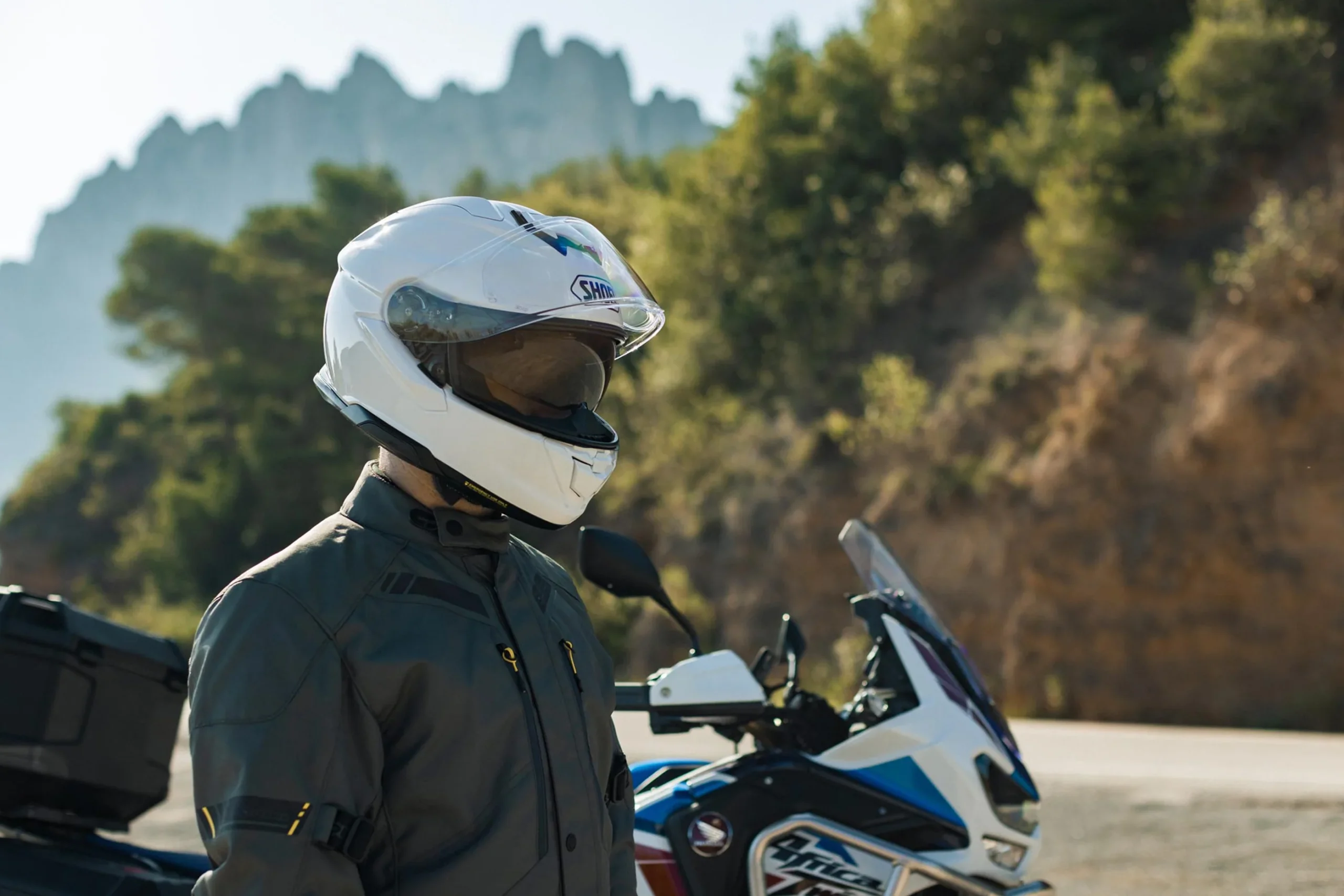
Have you ever felt the thrill of twisting the throttle and hitting the open road, wind rushing past you and freedom stretching ahead? Riding a motorcycle brings unmatched excitement. Yet, before you start your engine, ask yourself one simple question: Is your helmet truly protecting you the way it should?
Motorcycle helmets are not just accessories. They are lifesavers. They combine technology, design, and comfort to keep riders safe while allowing them to enjoy every mile. In this guide, we will explore everything you need to know about motorcycle helmets. From safety standards to styles, from fit to maintenance, you will discover how to choose the right helmet with confidence.
Why Motorcycle Helmets Matter More Than You Think
Many riders focus on speed, style, and performance. However, safety must always come first. A motorcycle helmet protects your head from severe injury during accidents. Even at low speeds, a fall can cause serious damage. Therefore, wearing a helmet dramatically reduces the risk of head trauma.
Studies across the world consistently show that helmets save lives. When you wear a certified helmet, you lower the risk of fatal head injury significantly. In fact, a good helmet absorbs impact energy and spreads it across its structure. As a result, your skull and brain face less direct force.
Moreover, helmets protect you from more than crashes. They shield you from wind, dust, rain, insects, and road debris. This protection improves your visibility and concentration. Consequently, you ride more confidently and safely.
Understanding How Motorcycle Helmets Work
At first glance, a helmet may look simple. However, it contains several carefully engineered layers. Each layer plays a crucial role in protecting your head.
Outer Shell
The outer shell forms the helmet’s first line of defense. Manufacturers typically use materials such as polycarbonate, fiberglass composite, or carbon fiber. These materials resist penetration and help distribute impact energy.
When a helmet hits the ground, the shell spreads the force over a larger area. Therefore, the impact becomes less intense at any single point.
Impact-Absorbing Liner
Inside the shell, you will find the impact-absorbing liner. This layer often consists of expanded polystyrene foam. It compresses upon impact and absorbs shock. As it compresses, it reduces the force transferred to your head.
This liner plays a critical role. Without it, the outer shell alone would not provide adequate protection.
Comfort Padding
The inner comfort padding sits closest to your head. It ensures a snug fit and increases comfort during long rides. Many modern helmets feature removable and washable liners. As a result, you can maintain hygiene and freshness easily.
Retention System
Finally, the chin strap and retention system secure the helmet in place. If the helmet does not stay firmly on your head during an accident, it cannot protect you properly. Therefore, always fasten your strap securely before riding.
Different Types of Motorcycle Helmets
Not all helmets are the same. In fact, different riding styles require different helmet designs. Let us explore the most common types.
Full-Face Helmets
Full-face helmets provide maximum coverage. They protect the entire head, including the chin and jaw. Because they offer comprehensive protection, many safety experts consider them the safest option.
Additionally, full-face helmets reduce wind noise and improve aerodynamics. Therefore, they are ideal for highway riders and sportbike enthusiasts.
Modular Helmets
Modular helmets combine features of full-face and open-face helmets. They include a flip-up chin bar. This design allows riders to lift the front section when needed.
Although modular helmets offer convenience, they may weigh slightly more. However, they remain popular among touring riders who appreciate flexibility.
Open-Face Helmets
Open-face helmets cover the top and sides of the head but leave the face exposed. Riders often choose them for city commuting or cruiser motorcycles.
While they provide decent protection, they do not protect the chin area. Therefore, they offer less overall safety compared to full-face helmets.
Half Helmets
Half helmets cover only the top of the head. They provide minimal coverage. Although they feel lightweight and offer a sense of freedom, they do not deliver strong impact protection.
If safety ranks high on your priority list, consider more protective options.
Off-Road Helmets
Off-road helmets feature a distinct design with extended chin bars and visors. They enhance airflow and accommodate goggles. Dirt bike riders and motocross enthusiasts prefer them for rugged terrain.
Choosing the Right Fit for Maximum Safety
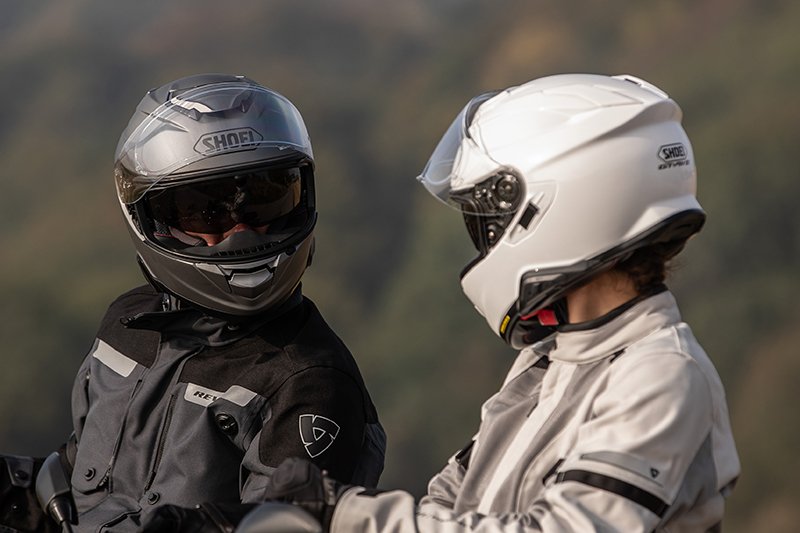
You can buy the most expensive helmet in the world. However, if it does not fit properly, it will not protect you effectively.
Measure Your Head Correctly
First, measure the circumference of your head using a flexible tape. Place it just above your eyebrows and around the widest part of your head. Then, compare your measurement to the manufacturer’s sizing chart.
Check the Snugness
A helmet should fit snugly without causing pain. When you shake your head, the helmet should move with you. It should not slide around independently.
Moreover, your cheeks should feel slight pressure from the cheek pads. Over time, padding compresses slightly. Therefore, a snug fit at first ensures long-term comfort.
Test the Retention
After fastening the chin strap, try to roll the helmet off from the back. If it comes off easily, it does not fit properly. A correct fit keeps the helmet secure.
Safety Certifications You Should Never Ignore
When shopping for motorcycle helmets, always look for safety certifications. These certifications confirm that the helmet meets specific impact standards.
DOT Certification
In many countries, DOT certification represents a basic legal requirement. Helmets with this label meet government safety standards.
ECE Certification
ECE certification follows European safety guidelines. Many riders consider ECE standards stricter than some others. Therefore, helmets with ECE approval often provide reliable protection.
Snell Certification
Snell certification involves rigorous testing. Helmets with this label undergo additional impact tests. If you seek high-level protection, look for this certification.
Always verify that the certification label appears genuine. Fake labels exist, so purchase from reputable sellers.
Materials and Technology in Modern Helmets
Helmet technology continues to evolve. Manufacturers constantly improve materials to enhance safety and comfort.
Polycarbonate Helmets
Polycarbonate helmets offer affordability and durability. They resist impact well and suit everyday riders.
Fiberglass Composite Helmets
Fiberglass helmets combine strength and lighter weight. They distribute impact effectively. Therefore, many sport riders choose them.
Carbon Fiber Helmets
Carbon fiber helmets feel incredibly light. Despite their low weight, they deliver exceptional strength. However, they usually come at a higher price.
Advanced Ventilation Systems
Modern helmets feature carefully designed ventilation systems. Air channels allow fresh air to flow in while expelling hot air. As a result, you stay cool even during long rides.
Comfort Features That Enhance Your Ride
Safety remains essential. However, comfort also matters. When you feel comfortable, you focus better on the road.
Anti-Fog Visors
Many helmets include anti-fog visors or Pinlock systems. These features prevent condensation from blocking your vision. Therefore, you maintain clear sight in cold or humid conditions.
Noise Reduction
Wind noise can cause fatigue during long rides. Some helmets incorporate noise-reducing liners and aerodynamic shapes. Consequently, your ride feels quieter and more enjoyable.
Communication Systems
Modern helmets sometimes include built-in communication systems. These systems allow riders to answer calls, listen to music, or communicate with fellow riders. Although convenience increases, always prioritize road awareness.
When Should You Replace Your Motorcycle Helmet?
Helmets do not last forever. Even if they look fine on the outside, internal components degrade over time.
After an Accident
If your helmet experiences a significant impact, replace it immediately. Even if you see no visible cracks, the internal liner may have compressed.
After Several Years of Use
Manufacturers generally recommend replacing helmets every five years. Over time, materials weaken due to sweat, UV exposure, and general wear.
Signs of Wear
Loose padding, frayed straps, or cracked shells signal that your helmet needs replacement. Do not ignore these warning signs.
Caring for Your Motorcycle Helmet
Proper maintenance extends the life of your helmet and keeps it fresh.
Clean the Exterior Gently
Use mild soap and water to clean the shell. Avoid harsh chemicals, as they may weaken materials.
Wash Removable Liners
If your helmet includes removable liners, wash them regularly. Follow manufacturer instructions carefully. Clean liners prevent odor and bacteria buildup.
Store It Properly
Store your helmet in a cool and dry place. Avoid direct sunlight. Excess heat can damage the shell and inner foam.
Style and Personal Expression
Although safety matters most, style still plays a role. Motorcycle helmets come in countless colors and graphics. From sleek matte black to bold racing designs, you can find a helmet that matches your personality.
However, never sacrifice safety for appearance. Choose a certified helmet first. Then, select a design that reflects your taste.
Common Myths About Motorcycle Helmets
Many myths surround motorcycle helmets. Let us clear up a few.
Myth: Helmets Limit Vision
Quality helmets provide wide fields of view. In fact, many offer better forward vision than sunglasses or hats.
Myth: Short Rides Do Not Require Helmets
Accidents can happen anywhere. Even a short trip to the store carries risk. Therefore, always wear your helmet.
Myth: Helmets Break Necks
Research shows that helmets do not increase neck injury risk. Instead, they reduce severe head injuries significantly.
Final Thoughts: Protect Your Passion
Motorcycle helmets represent more than protective gear. They symbolize responsibility and respect for your own life. Every time you fasten your helmet, you make a conscious choice to value safety.
So before your next ride, pause for a moment. Check your helmet. Ensure it fits well. Confirm it meets safety standards. Because while speed excites and freedom inspires, nothing matters more than returning home safely.














Post Comment