Semana Santa 2025: A Complete Guide to Holy Week Traditions, Meaning, and Celebrations
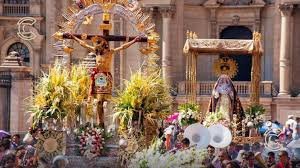
Introduction to Semana Santa 2025
Semana Santa, which translates to “Holy Week” in English, is one of the most significant religious celebrations in the Christian world. It commemorates the final days of Jesus Christ’s life, including his passion, crucifixion, and resurrection. In 2025, Semana Santa will be observed from April 13 (Palm Sunday) to April 20 (Easter Sunday). During this period, millions of Christians around the globe participate in religious ceremonies, cultural traditions, and community gatherings that honor these sacred events.
The celebration is especially prominent in countries with strong Catholic traditions such as Spain, Mexico, the Philippines, and many parts of Latin America. In these regions, Semana Santa is more than just a religious observance; it is a deeply rooted cultural experience that combines faith, art, history, and community participation. Streets are filled with elaborate processions, traditional music, and symbolic rituals that have been passed down through generations.
What makes Semana Santa unique is its powerful blend of spirituality and public expression. Churches hold solemn masses and reenactments of biblical events, while communities decorate streets, prepare traditional foods, and participate in processions that portray scenes from the Passion of Christ. For believers, this week represents reflection, repentance, and spiritual renewal.
In 2025, Semana Santa will once again bring together families, pilgrims, and tourists who wish to experience the profound emotional and cultural atmosphere of Holy Week. Whether you are a devout Christian or simply someone interested in cultural traditions, Semana Santa offers a meaningful glimpse into centuries-old practices that continue to shape communities around the world.
Historical Origins of Semana Santa
The origins of Semana Santa date back to the early centuries of Christianity. As Christianity spread throughout the Roman Empire, believers began observing the final days of Jesus Christ’s life through special prayers and gatherings. By the 4th century, when Christianity became more widely accepted, formal Holy Week celebrations started to develop within the church.
Early Christians in Jerusalem were among the first to commemorate the events of Christ’s passion in a structured way. Pilgrims visiting the Holy Land participated in ceremonies that followed the path believed to have been taken by Jesus during his final days. These practices gradually influenced churches throughout Europe and eventually spread across the world.
During the Middle Ages, the Catholic Church played a major role in shaping Semana Santa traditions. Religious orders organized public reenactments of biblical scenes to help people understand the story of Christ’s sacrifice. At a time when many people could not read, these visual and dramatic displays served as powerful teaching tools.
By the 16th century, especially in Spain, Semana Santa processions had become elaborate public events. Religious brotherhoods, known as “cofradías,” began creating artistic floats that depicted scenes from the Passion. Participants dressed in traditional robes carried these floats through city streets while musicians played solemn hymns.
Over time, these traditions traveled to Latin America through Spanish colonization. Today, many countries have developed their own unique interpretations of Semana Santa while maintaining the central message of faith and remembrance.
The Religious Significance of Semana Santa
Semana Santa holds deep spiritual meaning for Christians because it focuses on the most important events of the Christian faith: the suffering, death, and resurrection of Jesus Christ. Each day of Holy Week represents a specific moment in the biblical narrative leading up to Easter.
The week begins with Palm Sunday, which commemorates Jesus’ triumphant entry into Jerusalem. According to the Bible, crowds welcomed him by waving palm branches and laying them on the road. Churches around the world recreate this moment with palm processions and blessings.
As the week progresses, believers reflect on the trials and sacrifices that Jesus endured. Holy Thursday recalls the Last Supper, when Jesus shared his final meal with his disciples and established the tradition of Holy Communion. This event is a powerful reminder of humility, service, and unity.
Good Friday marks the crucifixion of Christ, one of the most solemn days in the Christian calendar. Many churches hold quiet services, prayers, and reenactments of the Stations of the Cross, which depict the journey of Jesus to his crucifixion.
Finally, the week culminates in Easter Sunday, celebrating the resurrection of Christ. This event symbolizes hope, renewal, and the triumph of life over death, making it the most joyful day of the Christian year.
Major Events During Semana Santa 2025
Semana Santa 2025 will follow the traditional sequence of events that Christians have observed for centuries. Each day carries its own significance and is marked by special ceremonies and activities.
Palm Sunday, which falls on April 13, 2025, begins the week with celebrations and church services. Worshippers bring palm branches to church, where they are blessed and later kept as symbols of faith. Many communities also organize small processions to reenact Jesus’ arrival in Jerusalem.
Holy Thursday, celebrated on April 17, focuses on the Last Supper. Churches often hold evening masses that include the ritual washing of the feet, symbolizing the humility shown by Jesus when he washed the feet of his disciples.
Good Friday, on April 18, is a day of mourning and reflection. Many believers fast or abstain from certain foods as a sign of respect and sacrifice. Processions depicting the crucifixion of Christ are common in many countries, and participants carry statues and crosses through the streets.
Holy Saturday represents a period of waiting and reflection before the celebration of Easter. Churches often hold vigil services late at night, leading into Easter Sunday, April 20, when Christians celebrate the resurrection with joyful services, music, and family gatherings.
Semana Santa Traditions Around the World
Semana Santa traditions vary widely from one country to another, reflecting the unique cultural identities of each region. However, all celebrations share a common focus on remembering the Passion of Christ and strengthening community bonds.
In Spain, Semana Santa is famous for its grand processions featuring elaborate floats and participants wearing traditional robes and pointed hoods. Cities like Seville and Malaga attract thousands of visitors who come to witness these dramatic displays of faith and artistry.
In Mexico and other parts of Latin America, Semana Santa celebrations often include live reenactments of biblical scenes. Communities stage performances that depict the arrest, trial, and crucifixion of Jesus. These events can involve hundreds of actors and attract large audiences.
The Philippines also observes Holy Week with deep devotion. Many people participate in long religious processions, visit multiple churches, and engage in acts of penance. Some even reenact the crucifixion as a form of personal sacrifice and faith.
These global traditions highlight the universal importance of Semana Santa while demonstrating how different cultures express their spirituality through unique rituals and artistic expressions.

Cultural and Social Impact of Semana Santa
Beyond its religious meaning, Semana Santa plays a major role in the cultural and social life of many communities. The preparations for Holy Week often begin months in advance, with local organizations and volunteers working together to organize events and decorate public spaces.
Families gather during this time to participate in church services, share traditional meals, and spend time together. In many countries, schools and businesses close for part of the week, allowing people to fully participate in the celebrations.
Tourism also increases significantly during Semana Santa. Cities known for their famous processions attract visitors from around the world who want to experience the unique atmosphere of Holy Week. Hotels, restaurants, and local businesses often benefit from the influx of travelers.
Art and music are another important part of the celebration. Traditional hymns, orchestras, and religious sculptures are integral elements of many processions. These artistic expressions help preserve cultural heritage and keep centuries-old traditions alive.
Traditional Foods During Semana Santa
Food plays an important role in Semana Santa celebrations, and many regions have special dishes associated with the week. These foods often reflect religious practices such as fasting or abstaining from meat on certain days.
In many Catholic traditions, believers avoid eating meat on Good Friday. Instead, meals often feature fish, vegetables, and simple ingredients. This practice symbolizes humility and respect for the sacrifice of Christ.
Spain is known for popular Semana Santa desserts like torrijas, which are sweet slices of bread soaked in milk or wine, coated in egg, and fried before being topped with honey or sugar. These treats are widely enjoyed during Holy Week.
In Latin America, dishes such as empanadas, soups, and sweet breads are common. Families often gather to prepare these meals together, turning cooking into a shared cultural experience that strengthens family bonds.
These culinary traditions add another layer of meaning to Semana Santa, blending faith with the warmth of family and community gatherings.
How People Prepare for Semana Santa 2025
Preparing for Semana Santa involves both spiritual and practical steps. Many Christians begin the process during Lent, the 40-day period of fasting, prayer, and reflection that leads up to Holy Week.
During Lent, believers often give up certain luxuries or habits as a form of sacrifice and spiritual discipline. This period encourages people to focus on prayer, charity, and personal growth.
Communities also begin preparing decorations, religious statues, and costumes for processions. Brotherhoods and church groups carefully organize the events that will take place during the week, ensuring that traditions are followed with respect and precision.
In modern times, many people also use Semana Santa as an opportunity for travel and pilgrimage. Visiting historic churches, attending special masses, or witnessing famous processions can be powerful experiences that deepen one’s understanding of faith and culture.
Why Semana Santa Continues to Be Important Today
Despite the fast pace of modern life, Semana Santa remains deeply meaningful for millions of people. The themes of sacrifice, forgiveness, hope, and renewal are timeless values that resonate with believers and non-believers alike.
For many individuals, Holy Week provides an opportunity to pause and reflect on life’s deeper purpose. The rituals and ceremonies encourage people to reconnect with their spiritual beliefs and consider the importance of compassion and humility.
Semana Santa also serves as a reminder of the power of tradition. In a world where cultures are constantly changing, these centuries-old practices help communities maintain a sense of identity and continuity.
Finally, the celebration promotes unity. People from different backgrounds come together to participate in processions, prayers, and cultural events, creating a shared experience that strengthens community ties.
Conclusion
Semana Santa 2025 will once again offer a powerful combination of faith, culture, and tradition. Observed from April 13 to April 20, 2025, Holy Week will bring millions of people together to remember the final days of Jesus Christ and celebrate the hope of his resurrection.
From solemn church services to grand public processions, the week is filled with meaningful rituals that have been practiced for centuries. Each event, whether it is Palm Sunday, Good Friday, or Easter Sunday, carries deep spiritual significance and reminds believers of the core values of Christianity.
At the same time, Semana Santa is also a vibrant cultural celebration that includes art, music, food, and community gatherings. These elements help keep traditions alive while allowing each generation to connect with its heritage.
As Semana Santa 2025 approaches, it will continue to inspire reflection, unity, and spiritual renewal for people around the world. Whether experienced through faith, culture, or curiosity, Holy Week remains one of the most powerful and meaningful celebrations in the global Christian calendar.














Post Comment