99999000101g: A Deep Dive into the Meaning, Potential, and Digital Relevance of This Unique Keyword
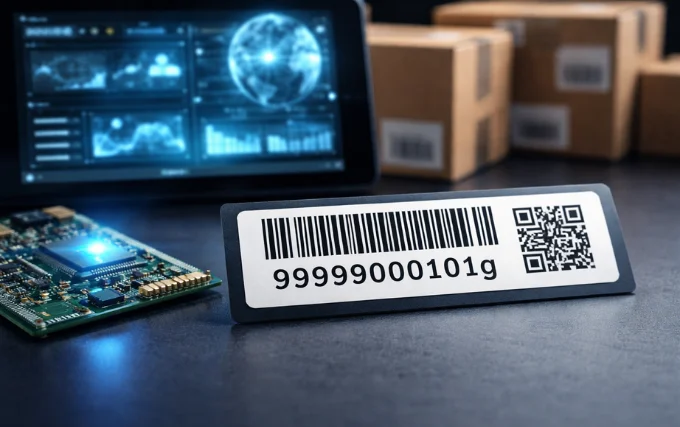
In the ever-expanding universe of digital identifiers, certain combinations of letters and numbers stand out—not because they are immediately recognizable, but because they spark curiosity. One such example is 99999000101g. At first glance, it looks like a random string. But in the world of technology, data systems, product coding, and digital branding, strings like 99999000101g can carry powerful meaning.
Whether you’re a developer, digital marketer, data analyst, or entrepreneur, understanding how structured alphanumeric identifiers function can unlock new strategic opportunities. In this article, we’ll break down the potential significance of 99999000101g, explore where such identifiers are commonly used, and examine how you can leverage similar keyword structures in modern digital ecosystems.
Understanding the Structure of 99999000101g
When we look at 99999000101g, the first step is to break it down structurally. It contains a series of repeated nines, followed by a sequence of zeros and ones, and ends with a lowercase “g.” This is not just a random assortment—it follows patterns commonly seen in digital labeling systems.
In many technical environments, long numeric prefixes are used to indicate categories, versions, priority levels, or batch identifiers. The repetition of “9” at the beginning could suggest a high-tier classification, an upper limit, or even a placeholder value in testing environments. Developers often use repeated digits during staging or simulation processes.
The final character, “g,” is particularly interesting. In alphanumeric systems, trailing letters often represent a version revision, a category marker, or a geographic or generation tag. For example, in product inventory systems, a suffix letter can distinguish between variations of the same base model. So 99999000101g could theoretically represent the seventh variation (“g” being the seventh letter in the alphabet after adjustments), or a “generation” model.
The Role of Alphanumeric Identifiers in Modern Technology
To understand 99999000101g fully, we need to zoom out and examine the broader role of alphanumeric codes in digital systems.
In software engineering, unique identifiers (UIDs) are fundamental. They ensure that no two records, products, users, or transactions overlap. These identifiers may look abstract, but they are essential to keeping systems organized and scalable. From database primary keys to blockchain transaction hashes, structured strings drive digital reliability.
In logistics and e-commerce, SKU numbers (Stock Keeping Units) often resemble strings like 99999000101g. These codes encode category, manufacturer, region, and sequence data into a compact format. Even if the customer never sees it, that identifier ensures accurate tracking from warehouse to delivery.
In cybersecurity, tokenized strings and access keys frequently combine repeated digits with alphabetic characters. The randomness or structured randomness enhances security. Although 99999000101g looks simple, such strings can be components of larger authentication systems.
Could 99999000101g Be a Product Code?
One realistic interpretation of 99999000101g is that it could represent a product or component identifier. Many industrial manufacturers use long numeric sequences followed by letters to differentiate hardware variants.
For example, consider electronics manufacturing. A company producing circuit boards might encode product family, production batch, and hardware revision in a string similar to 99999000101g. The numeric portion could represent batch sequence 000101 under family 99999, while “g” indicates the revision level.
This type of structured naming becomes especially valuable in supply chains that span multiple countries. With thousands—or even millions—of products in circulation, clarity in labeling prevents costly errors. A single misplaced digit could result in shipping the wrong component to a client.
Even in consumer electronics, internal product codes are often far more complex than the model numbers customers see on packaging. 99999000101g could easily function as an internal cataloging code for firmware, microchips, or specialty equipment.
Digital Branding and Unique Keywords
Beyond industrial use, 99999000101g has strong potential as a unique digital keyword. In SEO and digital branding, uniqueness is gold.
Because this keyword appears highly specific and non-competitive, it offers immediate search engine advantages. When a term has zero or minimal existing competition, ranking becomes dramatically easier. Businesses sometimes intentionally create unique alphanumeric brand identifiers for precisely this reason.
For example, technology startups frequently launch products under codenames before public release. A string like 99999000101g could serve as an internal project name. Once associated with meaningful content, it becomes searchable and traceable.
Unique keywords also play a role in tracking marketing campaigns. Instead of using generic tags, companies assign campaign-specific codes to measure engagement and performance. If 99999000101g were used in URLs, QR codes, or landing page identifiers, analytics teams could isolate traffic patterns with precision.

The Psychological Effect of Numeric Repetition
Let’s step into a more analytical perspective. Human psychology responds to patterns—even when we are not consciously aware of them.
The repetition of the number 9 at the start of 99999000101g creates visual intensity. Repeated digits attract attention. In pricing strategies, the number 9 is famously used because it psychologically signals value (for example, $9.99 instead of $10). While 99999000101g is not a price, the dominance of 9s gives it a bold, extreme feel.
The transition from 9s to 0s also creates contrast. That shift from maximum to minimum visually mirrors binary logic systems in computing. Zeros and ones are the foundation of digital architecture. Seeing a sequence like 000101 inside the string subtly reinforces its technical aesthetic.
Adding the “g” softens the numeric rigidity. It humanizes the string slightly and makes it look like a deliberate design rather than a purely random number.
Potential Use in Data Systems and Databases
In structured databases, identifiers similar to 99999000101g are often auto-generated. Systems may assign long numerical prefixes based on category or table ID, followed by incremental counters.
Consider enterprise resource planning (ERP) systems. These platforms manage everything from accounting to inventory. Every object within them—customer, invoice, shipment—requires a unique identifier. Without it, chaos would follow.
In distributed systems, especially cloud-based environments, identifiers must remain globally unique. Developers often combine timestamps, machine identifiers, and sequence counters. While 99999000101g is shorter than many enterprise-level identifiers, it fits the conceptual mold.
Even in blockchain networks, wallet addresses and transaction IDs contain long alphanumeric strings. Though typically longer and more complex, they follow the same principle: structured uniqueness ensures security and traceability.
Security Implications and Tokenization
Security systems rely heavily on alphanumeric codes. Access tokens, API keys, and session identifiers often contain mixed characters.
Although 99999000101g may not meet high-security entropy standards on its own, it illustrates the foundational idea of tokenization. In token-based authentication systems, each user session receives a unique code. That code acts as proof of identity without exposing underlying credentials.
In some industries, temporary codes are generated in predictable formats to integrate with legacy systems. While randomness improves security, compatibility often requires structured patterns.
Understanding how strings like 99999000101g fit into token systems helps businesses design more robust digital infrastructures.
SEO Value and Content Strategy
From an SEO standpoint, 99999000101g is what marketers call a “zero-competition keyword.” Because it is unlikely to have established content associated with it, publishing authoritative material under this keyword allows immediate ownership of the search landscape.
If a brand adopts 99999000101g as a project name, they can dominate search results almost instantly. This strategy is often used during product pre-launch phases.
Moreover, unique alphanumeric keywords reduce ambiguity. Unlike generic terms that compete with millions of pages, 99999000101g points directly to a specific content asset.
In the long term, such keywords can evolve into recognizable brand markers. Think about how once-obscure strings became iconic identifiers in tech culture.
Future-Proofing with Unique Identifiers
As artificial intelligence, IoT devices, and global data networks expand, the need for distinct identifiers will only grow.
Imagine a world where billions of connected devices require unique tracking. From smart thermostats to autonomous vehicles, every object must be identifiable within a vast network. Strings like 99999000101g symbolize that future.
Scalable systems rely on predictable yet expandable formats. A base like 99999000101g could evolve into longer strings while maintaining backward compatibility.
The future of digital infrastructure depends on thoughtful identifier architecture. While users rarely see these codes, they power everything from payment processing to cloud computing.
Final Thoughts on 99999000101g
At first glance, 99999000101g appears to be nothing more than a random string. But when viewed through the lens of technology, branding, data architecture, and security, it becomes much more interesting.
It represents structure.
It represents uniqueness.
It represents scalability.
In modern digital systems, identifiers are silent architects. They maintain order, enable automation, and ensure traceability. Whether used as a product code, SEO keyword, database identifier, or campaign tracker, 99999000101g demonstrates how even abstract strings can carry meaningful potential.
As our digital ecosystems continue to expand, the importance of structured alphanumeric identifiers will only intensify. And sometimes, the most powerful digital assets are the ones that look the simplest at first glance.














Post Comment